

Intro to Agricultural Use of Pesticides
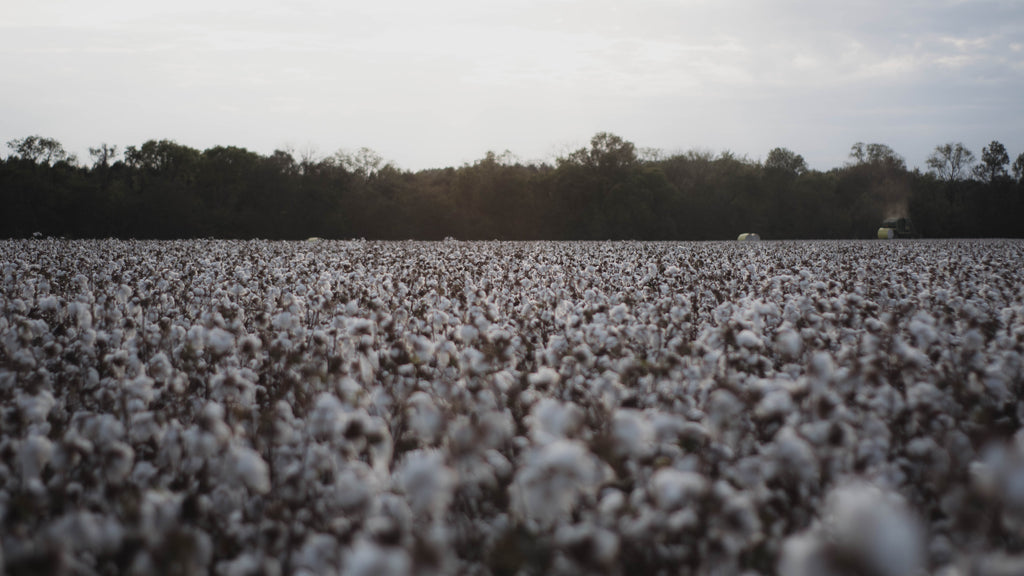
Agriculture has always had to deal with both beneficial and harmful insects. No matter what the environment is, pesticides will be a part of the reality of growing cotton. In the Supima® growing region, the worst pest for cotton, the Pink Bollworm, was eradicated through an extensive research, capture, tracking, and sterile moth breeding program that in a matter of years eliminated the pest from the region. That still leaves other pests in the environment that need to be managed in both a conventional and organic farming regimen. Drawing a line between ethical and reckless use of pesticides is a necessity. Supima® cotton only uses pesticides when it is necessary for a successful crop. Organic cotton growers have to deal with the same pests that Supima® cotton growers have to deal with. In both situations, the grower will use industry best practices and IPM (Integrated Pest Management) processes to contend with pests as they are both under strict environmental regulations and care to grow a quality crop.
Farmers are motivated to manage these pests using natural methods because pesticides can have a negative impact on the farm’s positive yields, lower carbon sequestration, and reduce economic viability. Fundamentally it is less sustainable not to mitigate these effects. Supima® manages these pests by rotating crops, working to disrupt winter harboring environments, and providing neighboring fields that draw in damaging pests to keep them off the cotton. They do not use applications unless absolutely necessary, as it would be a high cost to them.
What Are Pesticides
Pesticides are the most common form of crop protection used globally. When it comes to agricultural farming, insects will inevitably play a role in the growing process. The cotton plant attracts many pests and weeds due to its smell.Some of the worst pests in the cotton industry include cotton bollworms, plant bugs, stink bugs, aphids, thrips, and spider mites. When discussing sustainable farming practices the question is more about the way a farmer goes about the use of pesticides. Dealing with pests is one of the highest variable costs in cotton production due to the high cost of curating the chemicals and the labor it takes to apply them to a crop. This can actually make it more expensive to abuse pesticides in the growing process. However, there are certain approaches based on research and ethical practices, like the IPM approach, that facilitate responsible application.

What is IPM
IPM stands for Integrated Pest Management and includes a set of principles when it comes to pesticide use. These principles are comprised of ‘an effective and environmentally sensitive approach to pest management that relies on a combination of common-sense and ethical practices’ (Smith IPM). Instead of being a singular method, it is a series of pest management evaluations, decisions, and controls. It is a four-tiered approach that includes: setting action thresholds, monitoring and identifying pests, preventing pests, and controlling pests. The IPM approach is a useful tool when evaluating the best practices of pesticides. Supima® cotton farms use this method when they are evaluating and executing their approach to pesticides.
Sustainability and Pesticides
Due to the negative connotation of pesticides and the consequences they have had with overuse in the past, it is hard to believe that a sustainable growing method would have to use them. Even the most eco-friendly methods must utilize their function if they want to see a successful crop. In agriculture, farmers must tread lightly between using a natural process while also not wasting the farmed land and not producing a successful yield. That is why implementing the IPM methodology is a great way to mend the two because consideration is placed on both the environment and the crop’s success.
Pesticides in Other Crops
Besides cotton - corn, soybeans, and wheat are the other top crops grown that have a lot of interaction with negative insects and therefore rely on pesticides as well. Just like cotton, these are heavily-relied upon crops for society. With that high demand comes a lot of expectations and responsibilities to both the environment and the consumers. With advancing technologies making it easier to avoid natural harm to growing crops, it is hard to not use them to their full potential. However, now that we have time to research the consequences of overuse, we can proceed into the future with a healthy amount that supports both the farmers and the environment.


Leave a comment
This site is protected by hCaptcha and the hCaptcha Privacy Policy and Terms of Service apply.