
GSM to Ounces Converter
Convert grams per square meter (GSM) to ounces per square yard (oz/yd²).
The Conversion
1 GSM = 0.0294935 Oz
1 Oz = 33.9057 GSM
Understanding Garment vs. Fabric Weight
Understanding fabric weight is essential because it directly influences how a garment feels, performs, and is perceived in terms of quality. One of the most common sources of confusion in apparel is the difference between fabric weight and garment weight. Fabric weight refers to the density of the material itself, measured consistently across a fixed area (using GSM or ounces). Garment weight is the total weight of the finished product, which depends on fabric weight plus factors like pattern size, layering, trims, differing washes and dyes, and overall construction. Because of this, two garments made from the same GSM fabric can weigh very different amounts depending on size, cut, and design.
This distinction is especially important in manufacturing and product development, where fabric specifications, not just the finished garment weight, are the standard for consistency and comparison. Without understanding this difference, it can easy to be misled.
What is GSM (grams/m²)?
GSM (grams/m²) measures how much a square meter of fabric weighs, making it a standardized way to compare material density across products. While often associated with thickness, GSM is not a direct measure of thickness; instead, it reflects how much material is packed into a given area.
Because GSM is not widely understood, it is sometimes used in a misleading way. High numbers create the perception of quality, even when they don’t tell the full story. In reality, superior materials and manufacturing processes matter far more than a single inflated metric.
That said, GSM is still a valuable specification when used correctly. Within the same category of fabric, a higher GSM generally indicates a denser, more durable material, while a lower GSM suggests a lighter, more breathable one.
What is Oz? (oz/yd²)?
Ounces per square yard (oz/yd²) is the imperial counterpart to GSM and is commonly used in the United States. Like GSM, it measures fabric weight over a fixed area, just using a different unit system. The two metrics describe the same property and can be directly converted.
Ounces are especially common in categories like denim, canvas, and workwear, where fabric weight plays a major role in durability and performance. While GSM is widely used internationally because it aligns with the metric system and offers precision across global textile markets, oz remains a standard in American manufacturing and retail.
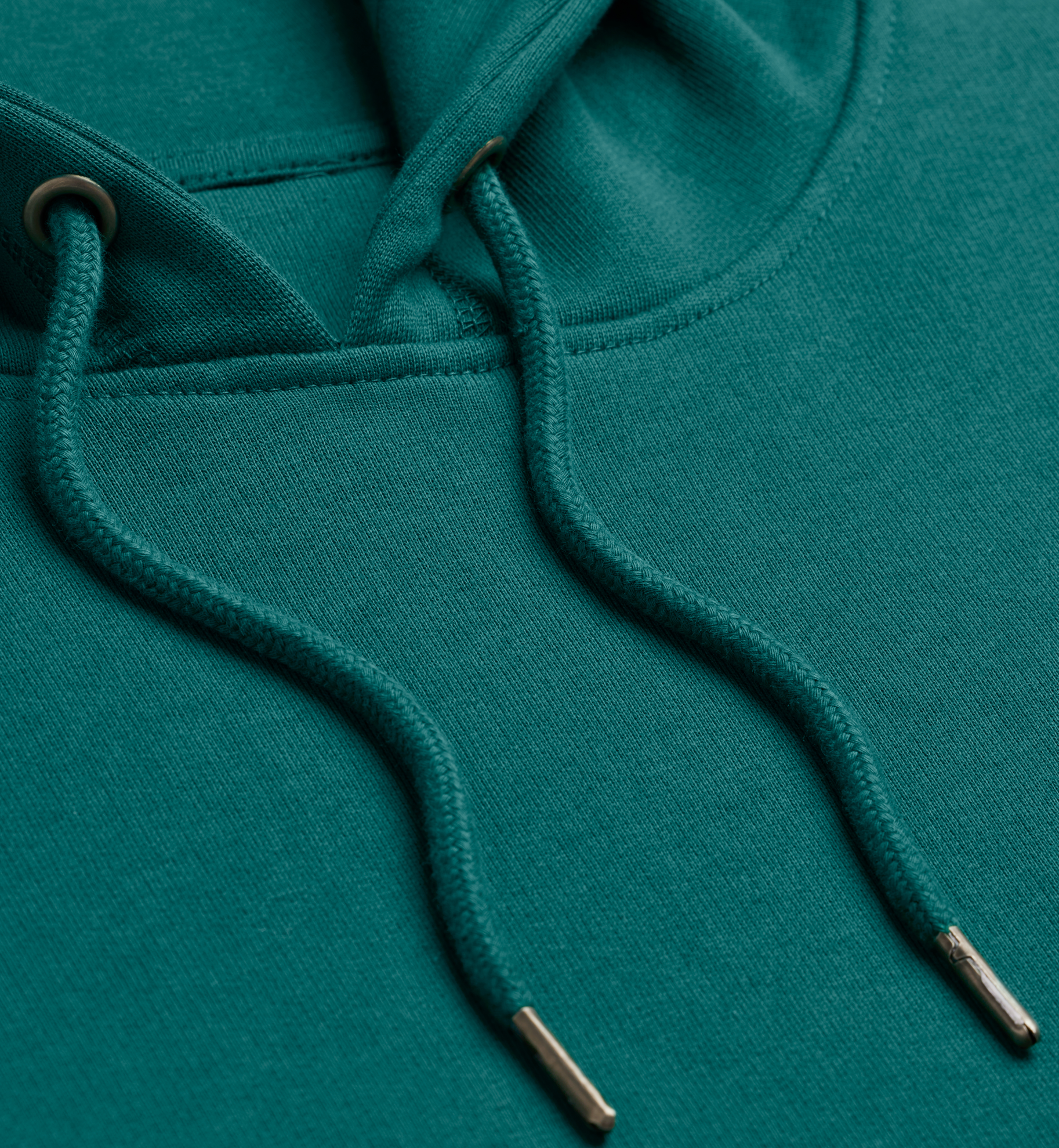
Heavy vs. Lighter GSM
Fabric weight plays a critical role in how a garment looks, feels, and performs. It influences drape, breathability, durability, and seasonality. Lightweight fabrics are typically used for warm-weather garments, offering softness and airflow, while heavier fabrics often provide more warmth and structure.
When comparing similar garments, such as two cotton T-shirts, GSM becomes a tool for evaluating which shirt would best fit your needs. Perhaps you need a heavier, warmer fabric with more density and structure. However, heavier is not always better; the ideal fabric weight depends entirely on the intended use of the garment.
Learn More About Our Fabrics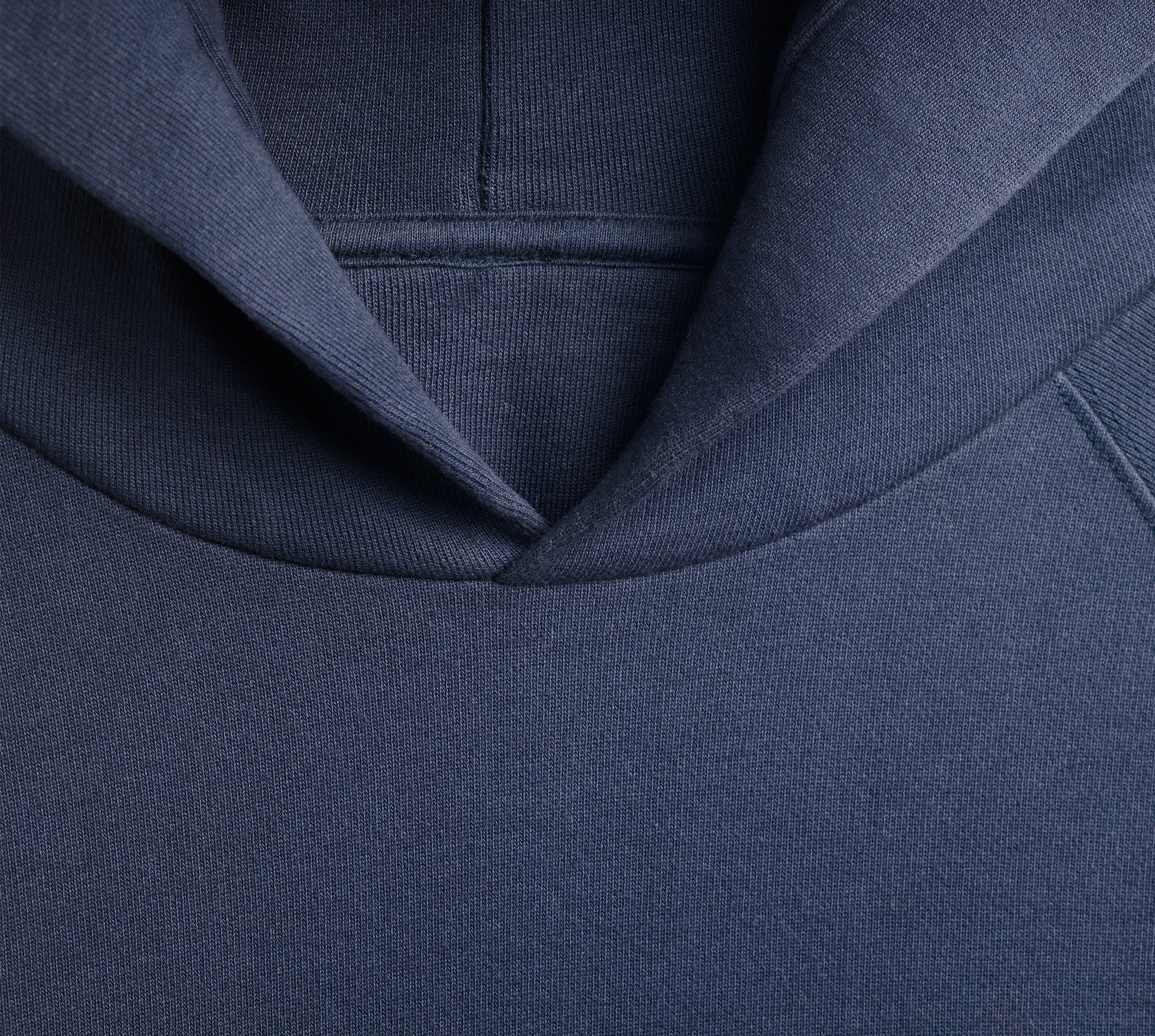
Breathable Yet Dense: Ultra Heavyweight French Terry
Our Ultra Heavyweight Organic French Terry lineup is built to stand apart. At 500 GSM, this fabric is significantly denser than most, delivering exceptional structure, durability, and warmth. Despite its weight, it is still incredibly soft with a cozy, looped terry interior that adds both comfort and texture.
What's different about our Ultra Heavyweight collection is that it's made with 100% Organic French Terry Cotton. The French terry cotton allows the fabric to have lots of breathability and softness despite its extremely dense construction. This makes it greatly suited for relaxing at home, layering in cooler weather, or year-round use.
Learn More About French Terry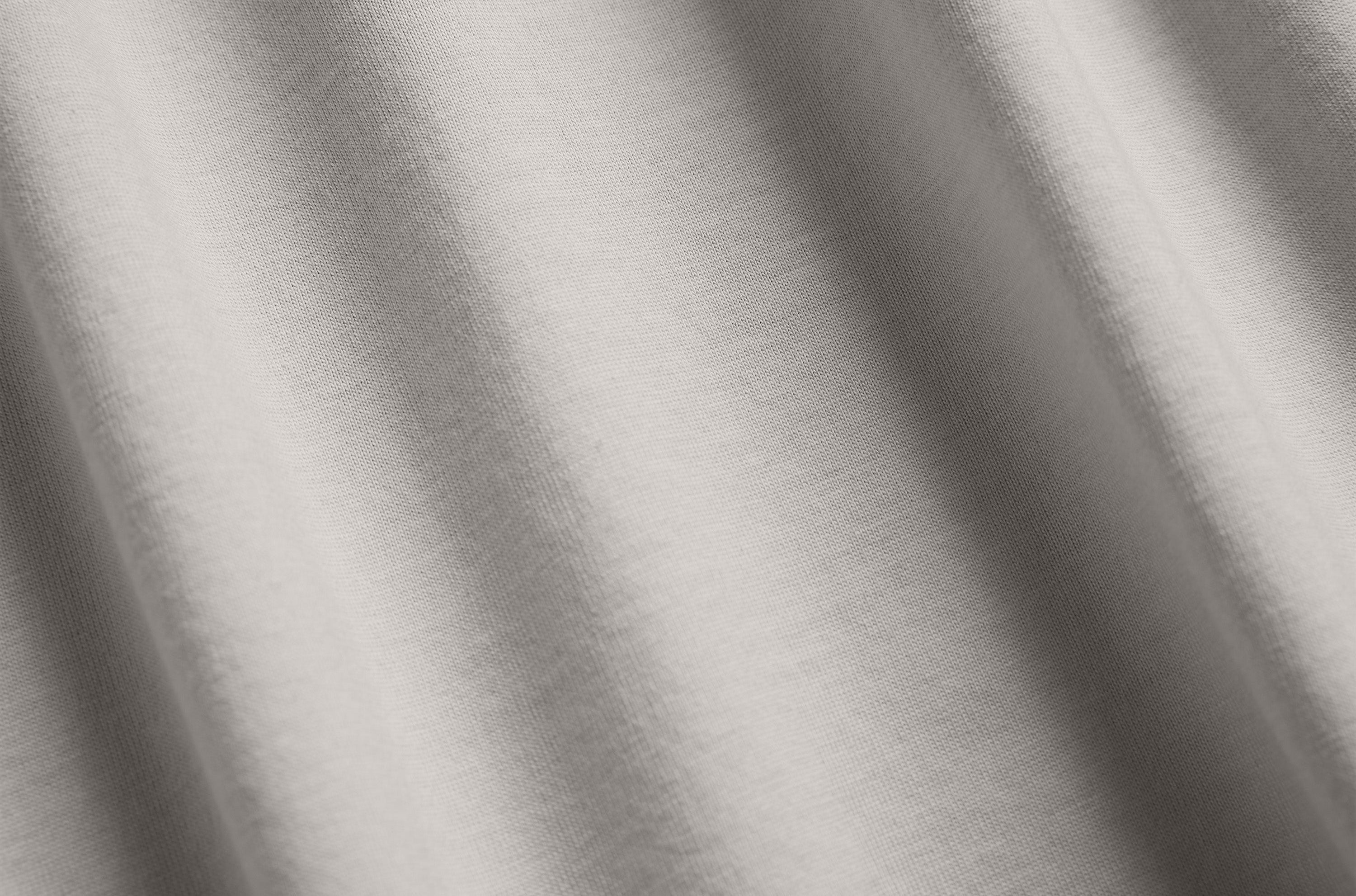
Ultra-Soft and Durable: Midweight Organic Supima® Tee
What makes our Midweight Supima® collection so popular is that it's made with Extra-Long Staple Supima® Cotton. At 240 GSM, the fabric offers a balanced weight, lighter than our heavier offerings, yet exceptionally durable. It’s breathable, holds rich color, and delivers an ultra-soft feel that maintains its integrity wash after wash.
What sets this collection apart is the use of extra-long staple Supima® cotton. While Pima cotton is regarded as one of the finest in the world, Supima® represents the top 1%, grown and processed to preserve its superior fiber length and strength. Unlike conventional cotton, which is typically processed using high-speed saw gins, Supima® cotton is ginned on slower roller gins that gently separate the fiber from the seed. This careful process helps maintain the fiber’s natural softness, strength, and longevity.
The result is a fabric that is not only incredibly soft, but also remarkably resilient, offering a level of quality and performance that sets it apart as one of the finest cottons available.
Learn More About SupimaGSM is often marketed as a measure of quality, but it only tells you how heavy a fabric is, not how good it is. Fiber quality, yarn construction, and finishing matter far more.
Shop by Weight
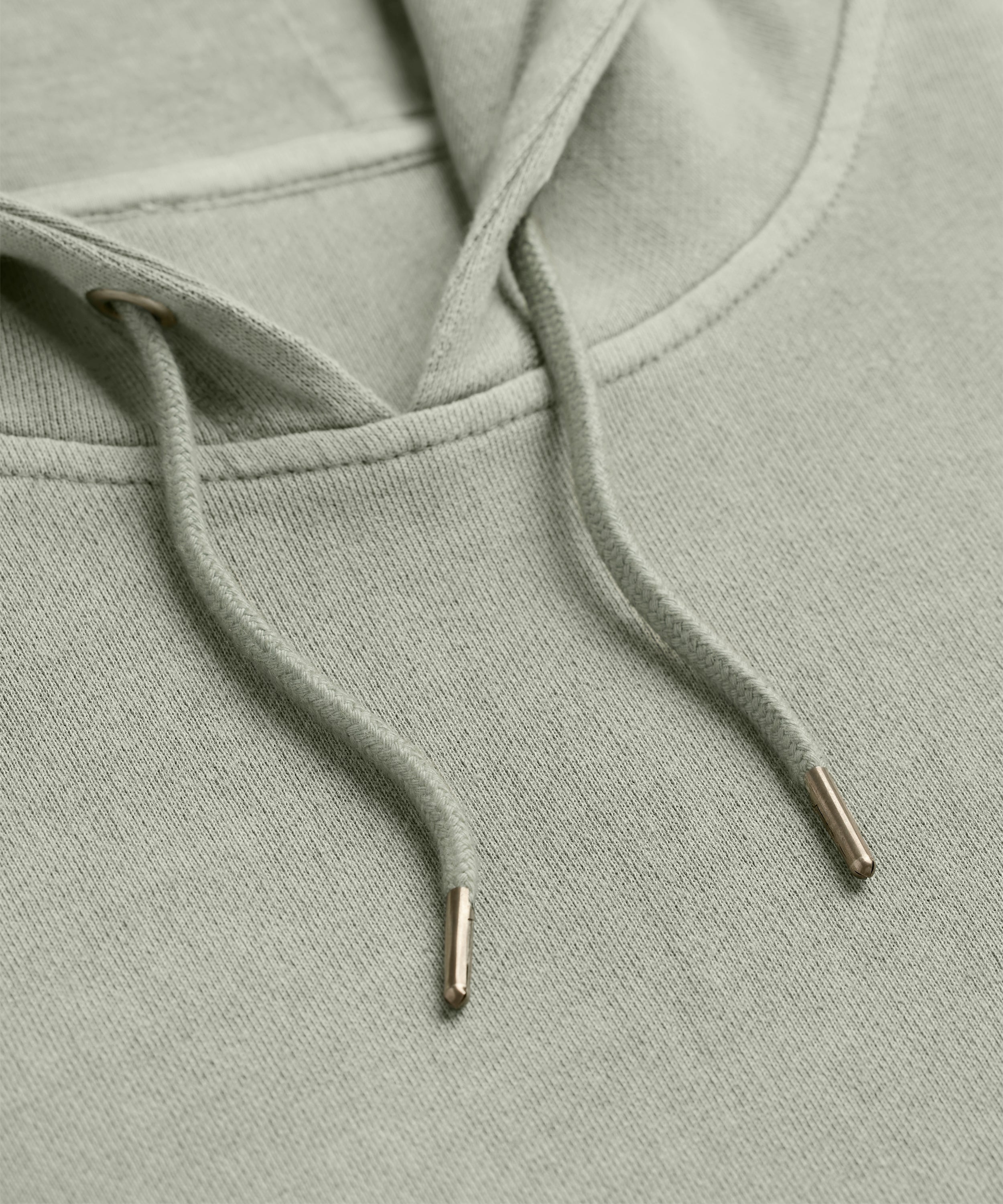
Common GSM Uses
< 100 GSM (Ultra Lightweight)
Fabrics such as chiffon, lace, tulle.
Used in light summer dresses, blouses.
100 to 170 GSM (Lightweight)
Fabrics such as chambray cotton, rayon, viscose twill, light linen.
Used in summer tops and shirts, skirts, summer dresses.
170 to 340 GSM (Midweight)
Fabrics such as twill, cotton jersey, bamboo jersey, midweight linen.
Used in pants, tops, structured dresses, lighter jackets.
340 to 400 GSM (Heavyweight)
Fabrics such as heavy canvas, fleece, jacquard, denim.
Used for jeans, heavy sweaters, coats.
400+ GSM (Ultra Heavyweight)
Fabrics such as heavy denim, waxed cotton, upholstery fabrics.
Used for heavy coats, winter wear, upholstery.

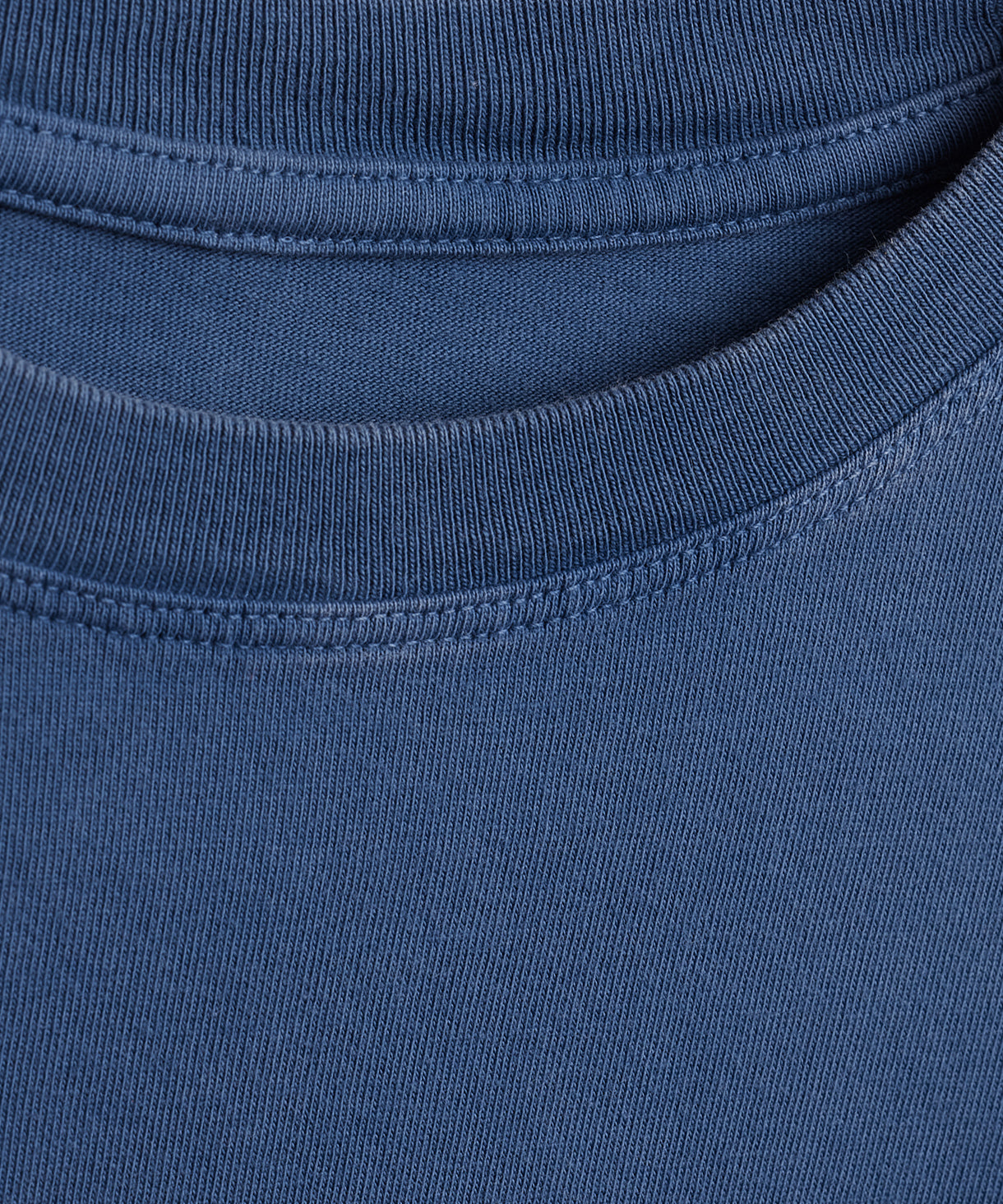
Enjoy premium comfort with our 500gsm Organic Cotton French Terry Pants. Crafted from organic cotton, this soft and durable sweatpant features a cozy, looped terry interior that offers both warmth and breathability in a modern silhouette.
Tee Weights
Compare our Midweight Supima® Tee against our Heavyweight Organic Tee.
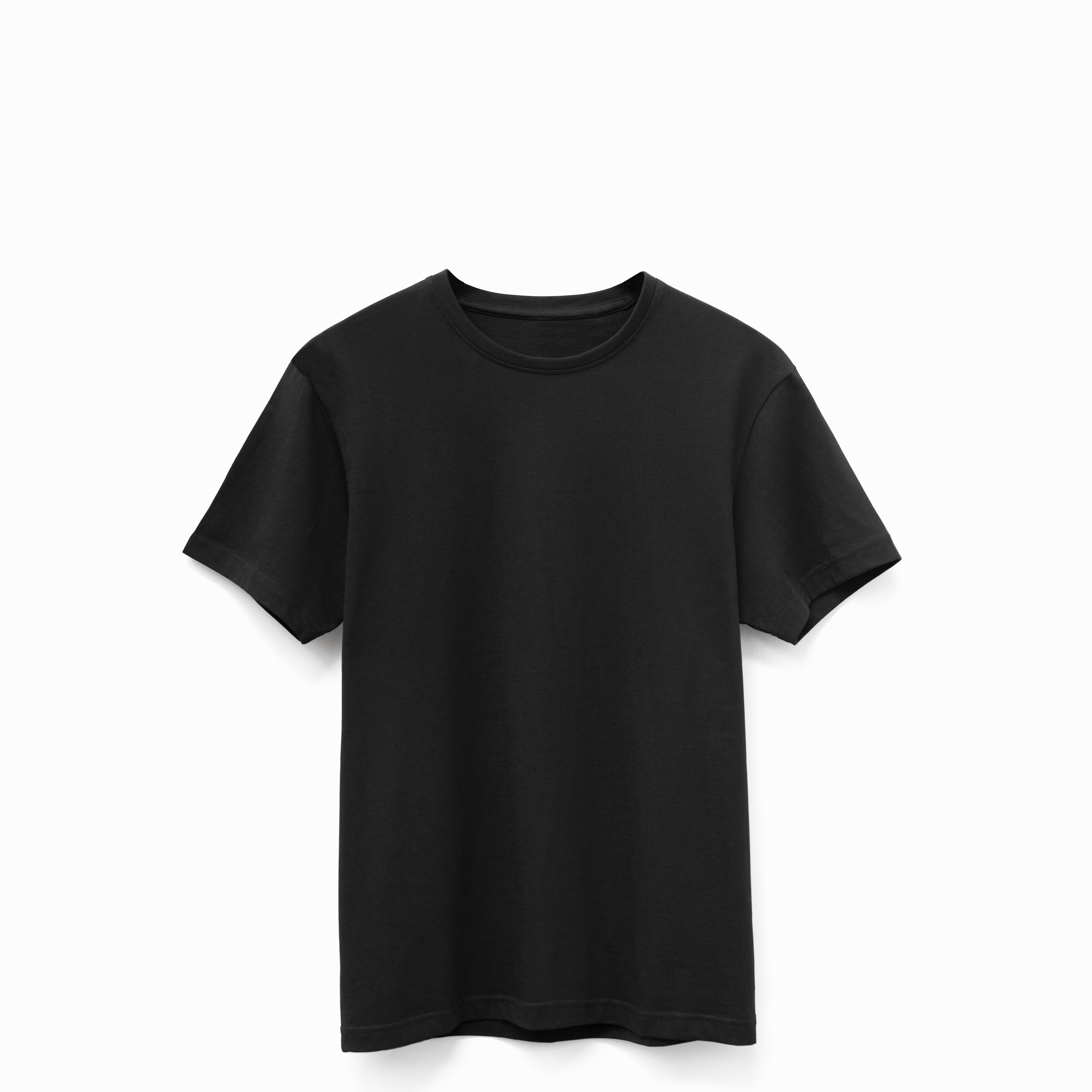
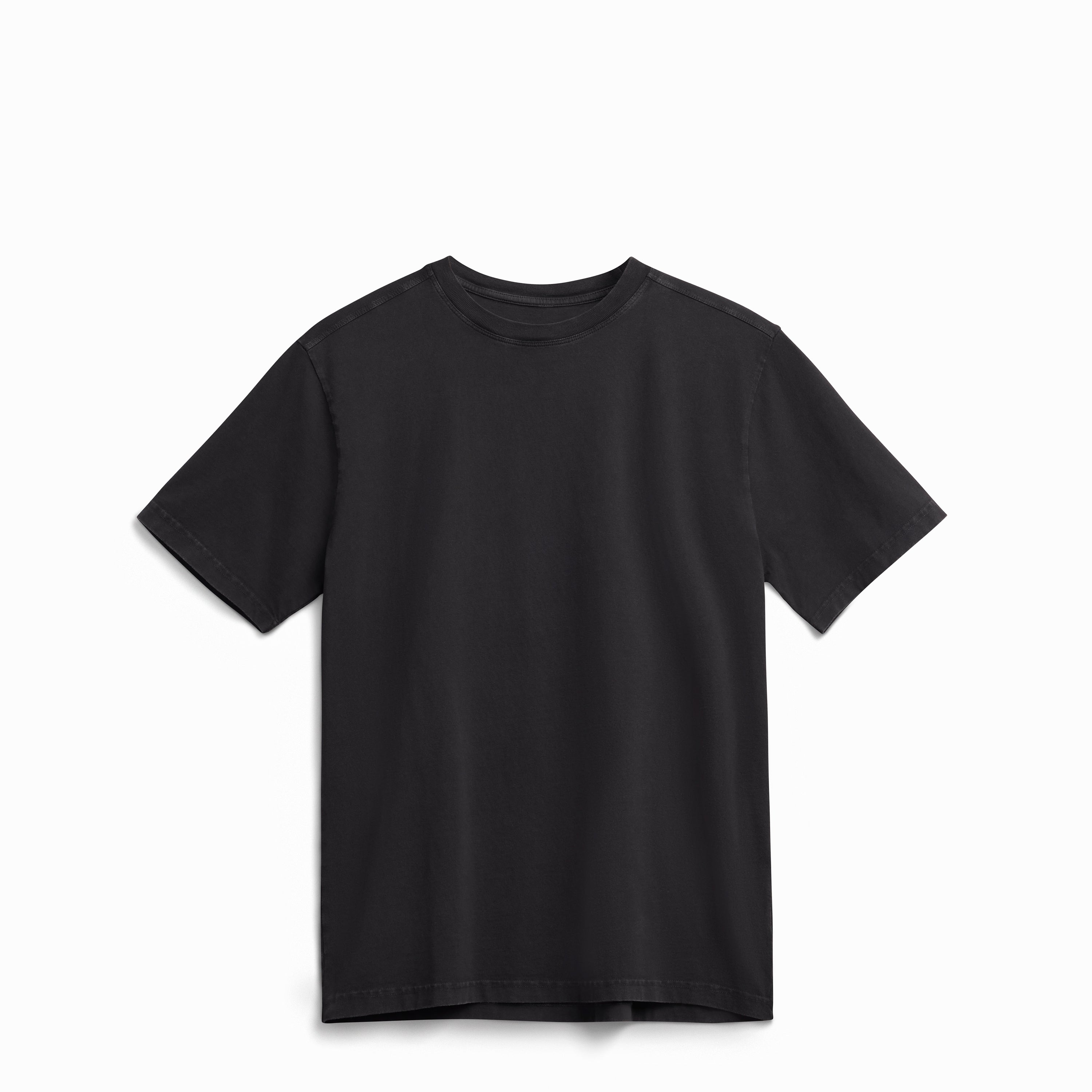
175 GSM
240 GSM
5.16 Oz
7.08 Oz
6 Oz
8 Oz
Sweats Weights
Compare the Midweight Organic French Terry Sweats, Heavyweight Organic Brushed Cotton Sweats, and Ultra Heavyweight Organic French Terry Sweats.
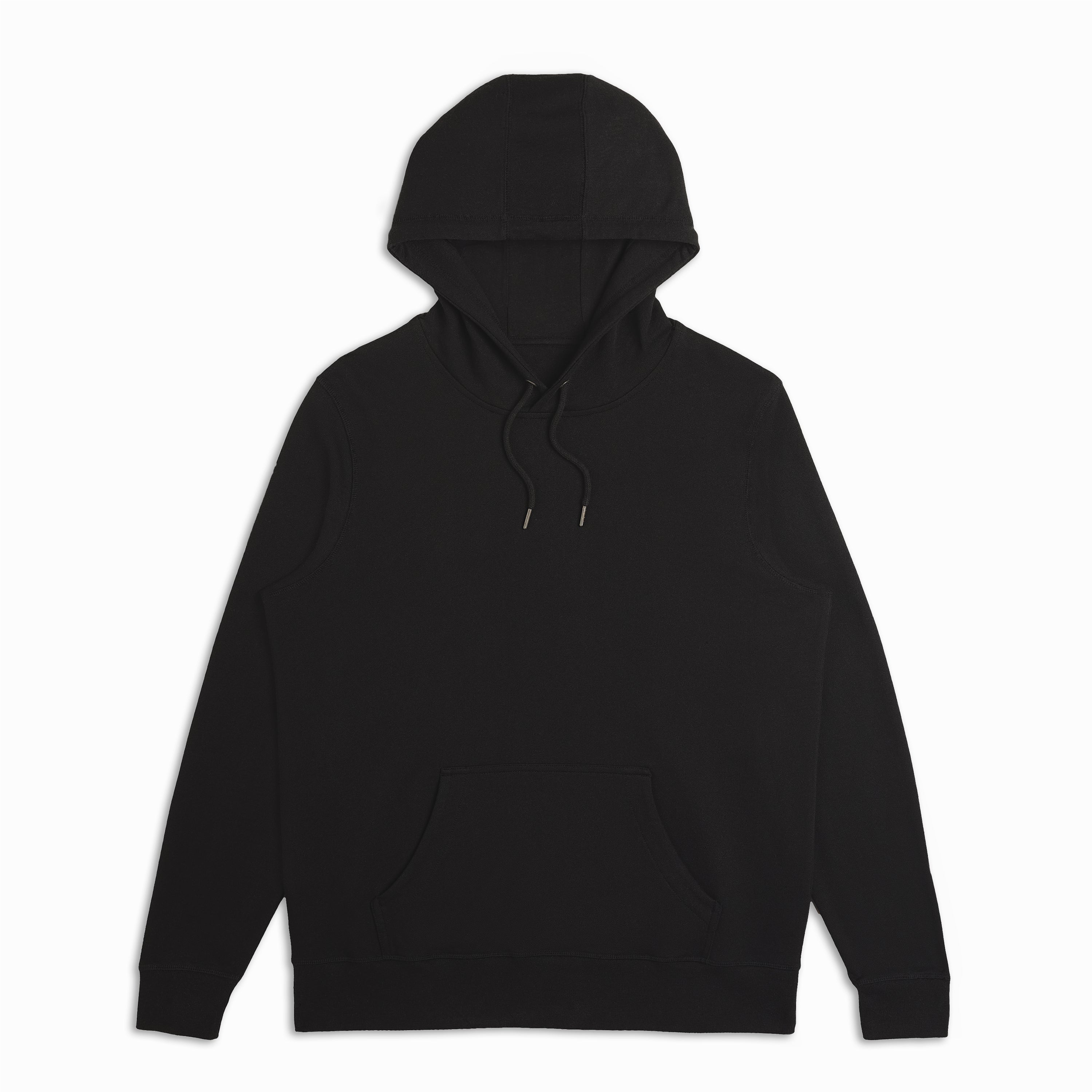
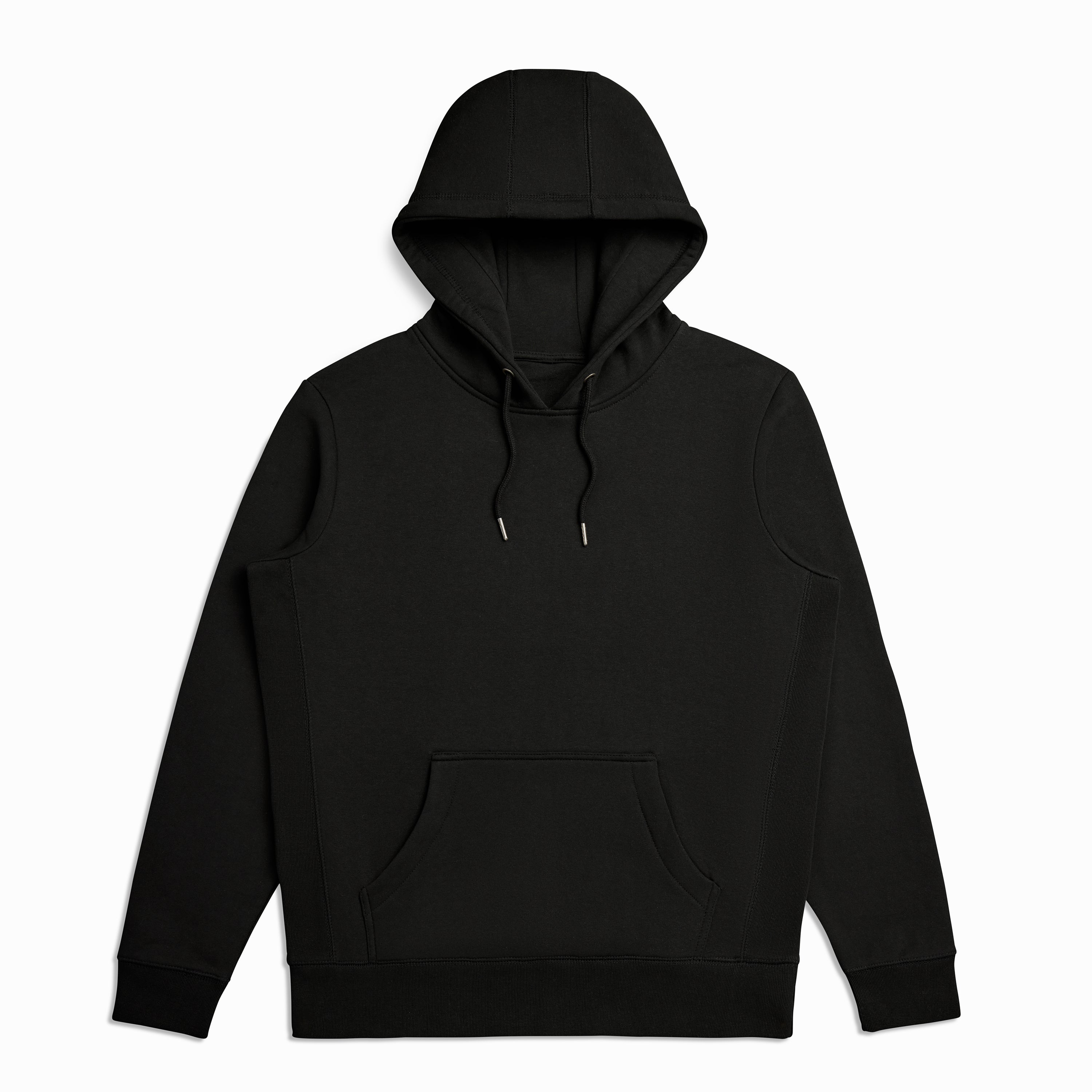
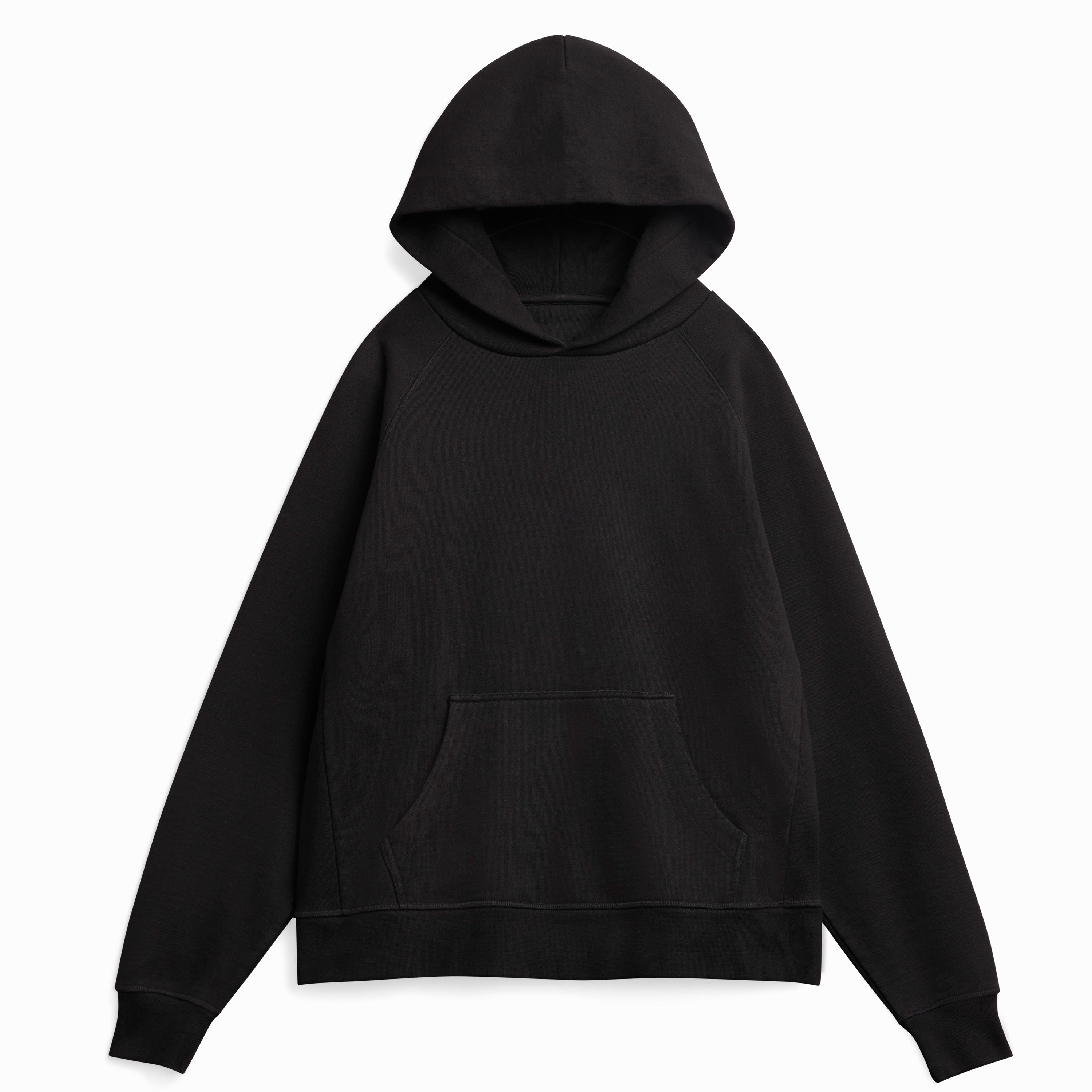
330 GSM
400 GSM
500 GSM
9.73 Oz
11.80 Oz
14.75 Oz
24 Oz
32 Oz
42 Oz

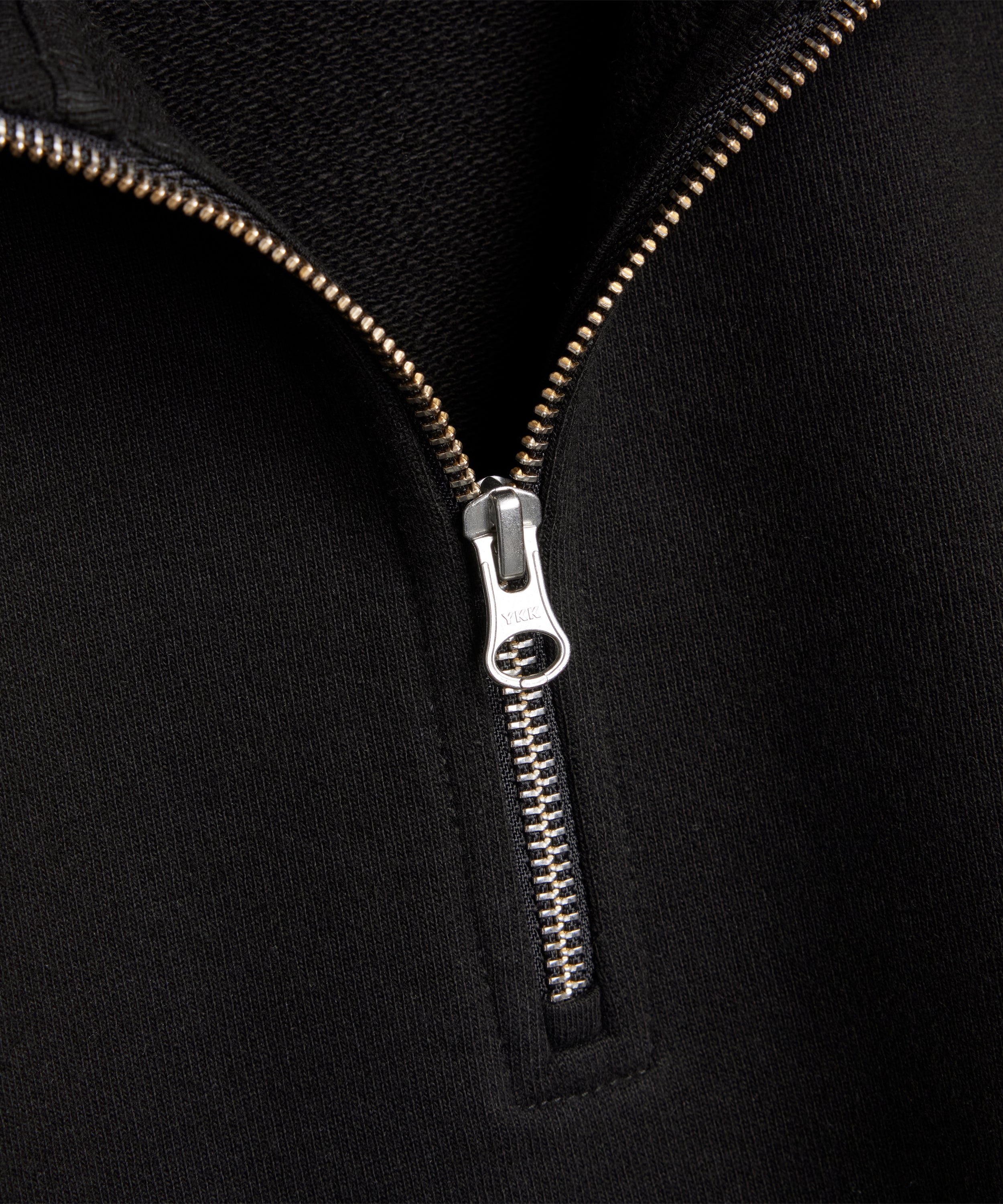
Experience the pinnacle of luxury with our 500gsm Organic Cotton French Terry quarter zip sweatshirts. Crafted from organic French terry cotton, this ultra-soft quarter-zip keep you comfortable with its warm yet breathable looped terry interior. Designed with an oversized unisex fit, it’s built for comfort and style.
FAQ
Commonly asked questions regarding GSM and fabric weight.
Does a higher GSM equal better quality?
Not necessarily. Higher GSM just means that the fabric is more dense, with more material packed into an area, making it the material more structured. Ultimately, the quality of the materials and manufacturing process determine quality more than a higher or lower GSM.
What's the difference between fabric weight and garment weight?
Fabric weight is the weight of the material by itself, while garment weight is the weight of the entire garment put together. Garment weight includes the weight of all of the materials used, including fabric, threads, zippers, lining, etc., meaning that garment weight is always going to be heavier than just the fabric weight alone.
Read More
How to Identify High-Quality Blank T-Shirts Online
Your T-Shirt Fabric Type Matters Choosing the right fabric for blank t-shirts is crucial for both comfort and health. Microplastics present in synthetic fabrics like polyester pose health concerns ...