
A Deep Dive into Our Social Certifications
Sustainability extends beyond environmental impact, requiring a deep commitment to the people behind every garment. At Original Favorites, we uphold and exceed socially responsible production standards at every stage of our supply chain. This includes going through rigourous, independent third-party certification processes and working only with partners who provide safe working conditions, fair wages, and ethical treatment of workers, and who share our commitment to lawful, humane manufacturing practices from farm to factory.
Our approach is rooted in accountability and respect for both people and product, ensuring that every piece is made with integrity at its core. Below, you’ll find an overview of the certifications we've accomplished, each of which helps guide and verify our commitment to fair and responsible treatment across our supply chain, from the farmers who grow raw materials to the workers who craft the final garment.
SA8000
Social Accountability Management System
SA8000 is a globally recognized certification that sets standards for ethical working conditions, ensuring workers are treated fairly, safely, and with dignity across the supply chain. It requires companies to actively monitor and improve labor practices, creating accountability beyond basic compliance.
Read More
WRAP
Worldwide Responsible Accredited Production
WRAP is a global certification program that ensures apparel and sewn products are manufactured in safe, lawful, humane, and ethical working conditions through independent factory audits. It verifies compliance with strict labor, environmental, and workplace standards across the production process.
Read More
FLO
Fairtrade Labeling Organizations
The Fairtrade Textile Standard ensures that garments are made under fair, transparent, and responsible conditions across the entire supply chain. It focuses on improving wages, protecting workers, and building long-term, ethical partnerships in production.
Read More
BSCI
Business Social Compliance Initiative
The Business Social Compliance Initiative (BSCI) is a leading supply chain management system that supports companies in driving social compliance and improvements within the factories and farms in their global supply chains.
Read More
SA8000 for Social Accountability Management System
SA8000 (Social Accountability 8000) is a globally recognized certification standard that helps organizations ensure ethical working conditions and respect for workers’ rights across their operations and supply chains. It was developed in 1997 by Social Accountability International and is based on international human rights frameworks such as the UN Declaration of Human Rights and International Labour Organization (ILO) conventions.
More than a checklist, SA8000 operates as a living management system that requires companies to actively monitor, improve, and take accountability for the conditions in which their products are made. The standard is designed to be applicable across all industries, countries, and company sizes, providing a credible and independently audited way for organizations to demonstrate their commitment to fair, safe, and ethical labor practices. It is designed to create long-term, meaningful change, not just surface-level compliance.
Key Principles of SA8000
SA8000 operates on 8 core principles that are continuously evaluated as long as the company remains certified.
The use of child labor is strictly prohibited. If identified, companies must take responsible corrective action that prioritizes the child’s well-being, including access to education and safe alternatives. This approach ensures that remediation supports long-term opportunity rather than unintended harm.
All work must be voluntary, with zero tolerance for coercion, trafficking, or debt bondage. Employees must have full freedom to enter and leave employment without restriction. Clear policies and oversight ensure that no worker is subjected to pressure, withheld wages, or exploitative conditions.
Employers must provide a safe and healthy workplace, including proper training, risk prevention systems, and access to protective equipment and medical care.
Workers have the right to form unions, join organizations, and negotiate collectively without fear of retaliation. Open dialogue between workers and management is encouraged, fostering transparency, trust, and accountability at every level.
All workers must be treated equally, with no discrimination based on race, gender, religion, nationality, or other personal characteristics. Hiring, compensation, and advancement decisions are grounded in fairness, ensuring equal opportunity across the workforce.
Employees must be treated with dignity and respect and there is zero tolerance on physical punishment, abuse, or coercive disciplinary measures.
Working hours must comply with laws and industry standards, with limits on weekly hours and overtime, and at least one day off per week.
Workers must be paid fairly, meeting at minimum legal wage requirements, with a goal toward living wages that support basic needs. Compensation must be transparent, timely, and inclusive of fair overtime pay, ensuring workers are properly valued for their time.
SA8000 Benefits
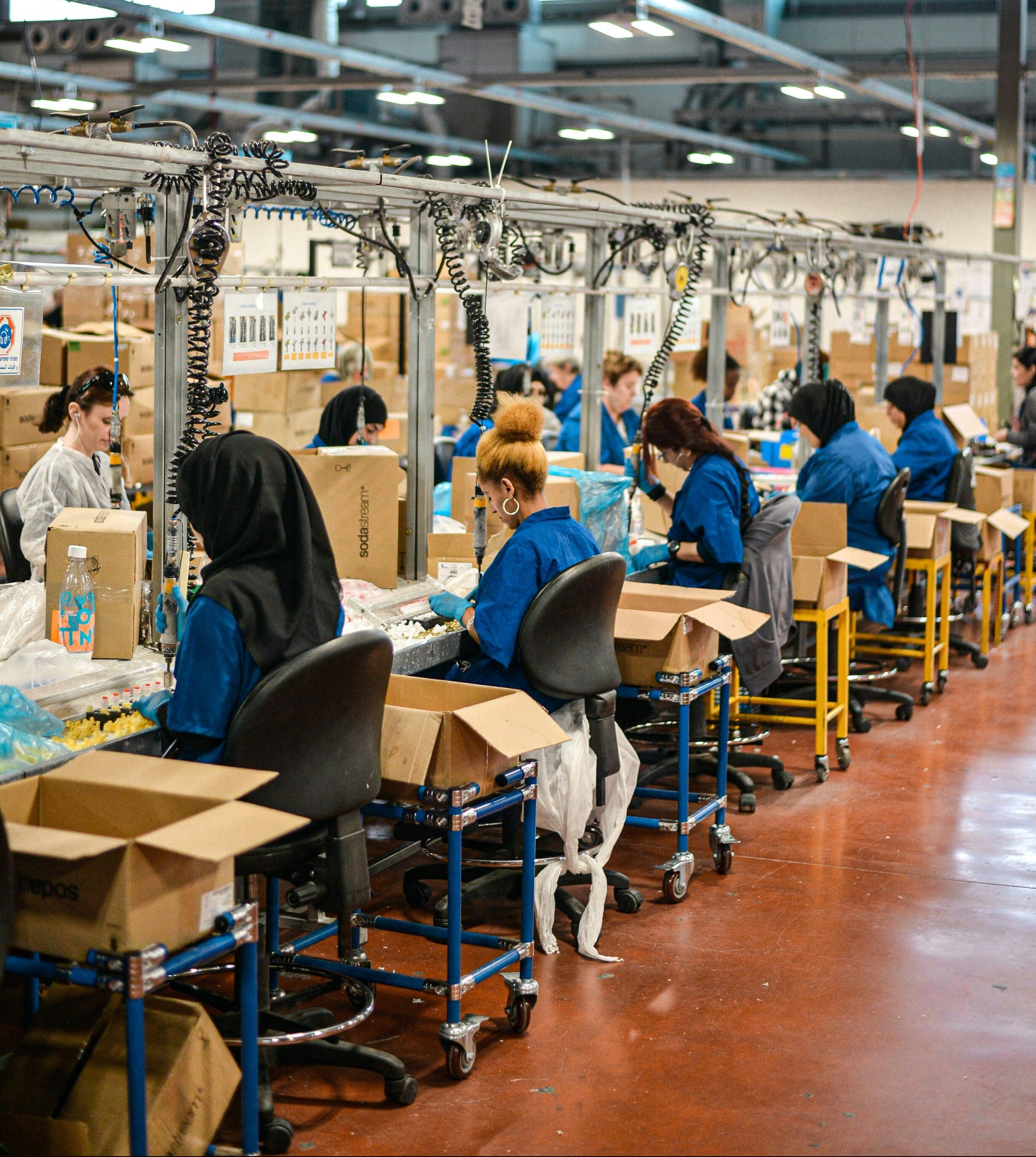
For Employees:
- Safer, healthier working environments
- Fair wages and reasonable working hours
- Greater awareness of rights and ability to organize
- More voice in workplace decisions and improved communication with management
For Employers:
- Stronger relationships with employees, customers, and stakeholders
- Improved operational efficiency, productivity, and risk management
- Greater control and transparency across supply chains
- Enhanced brand reputation and access to global markets
- Higher employee retention and engagement

What is Fairtrade Certfication?
Fairtrade is a global certification system designed to promote more equitable trade by ensuring better prices, fair working conditions, and sustainable practices for producers and workers. It focuses on improving livelihoods across supply chains—particularly for farmers and textile workers—by setting rigorous social, environmental, and economic standards.
Through independent verification by FLO-CERT, Fairtrade certification ensures that businesses meet these standards and contribute to long-term, meaningful change. Beyond compliance, it creates a framework for transparency, accountability, and shared value between brands, producers, and consumers.

Objectives of Fairtrade Certification
Fairtrade standards are designed to create lasting impact across both people and the planet. At their core, they aim to:
- Improve livelihoods and economic stability through ensuring that producers receive fair pricing structures and additional premiums, helping create more predictable income and long-term financial resilience.
- Protect workers’ rights and conditions by establishing safeguards for safe working environments, fair wages, and the right to organize.
- Promote environmental responsibility through standards that encourage sustainable farming and production practices, including reduced chemical use, responsible water management, and protection of natural ecosystems.
- Strengthen supply chain transparency by building traceability into the system, allowing businesses and consumers to better understand where products come from and how they are made.
- Empower producer communities through the Fairtrade Premium, workers and farmers collectively decide how to invest in their communities, whether in education, infrastructure, or local development initiatives.
The Fairtrade Textile Standard
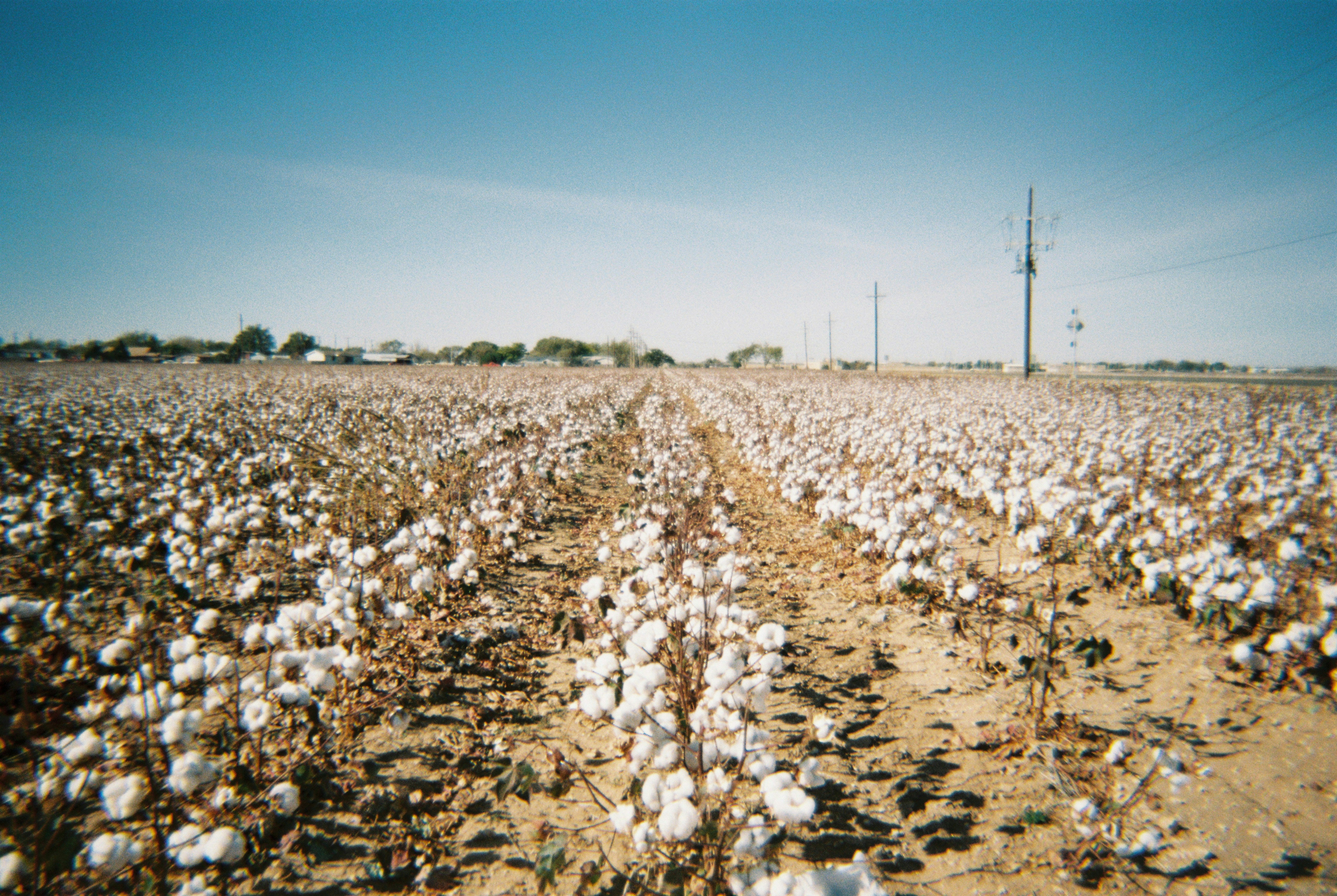
For Original Favorites, we fall under the Textile Standard branch, as Fairtrade tailors its certification process to the realities of different branches, from farmers, manufacturers, etc. The Fairtrade Textile Standard is a way to ensure that every step of our production process reflects the same level of care as the final product. It extends from raw materials to the finished gament and additionally covers the full supply chain to support safe working conditions, fair wages, and long-term stability for the people behind our garments.
A key focus is the progression toward living wages, alongside building lasting relationships with our manufacturing partners. By committing to transparency and continuous improvement, we’re able to create products that not only meet a higher standard of quality, but a higher standard of responsibility as well.

What is WRAP?
WRAP (Worldwide Responsible Accredited Production) is a globally recognized certification program focused on ensuring that apparel, footwear, and sewn products are manufactured under safe, lawful, humane, and ethical conditions. It is the world’s largest factory-based certification system for this industry, built specifically to address the realities of global production.
Through independent, third-party audits, WRAP verifies that facilities comply with a strict set of social, environmental, and legal standards. The program emphasizes accountability and transparency, giving brands and consumers confidence that products are made responsibly at the factory level.
The 12 Principles of WRAP
WRAP certification is built on 12 core principles derived from international labor standards and local laws, designed to ensure responsible manufacturing across every aspect of production.
Facilities operate in full compliance with all applicable labor, business, and environmental laws.
All work must be voluntary, with zero tolerance for coercion, bonded, or trafficked labor.
No underage workers are employed, ensuring protection of education and development.
Workplaces must be free from physical, verbal, or psychological abuse.
Workers are paid fairly and receive all legally required wages and benefits.
Working hours comply with legal limits, with safeguards for rest and overtime.
Employment decisions are based solely on ability, without discrimination.
Facilities provide safe, clean environments with proper training and protections.
Workers have the right to organize and bargain collectively without retaliation.
Manufacturing processes must comply with environmental regulations and best practices.
Facilities follow all customs laws for accurate and transparent trade practices.
Proper procedures are in place to protect facilities and supply chains.

BSCI for Social Compliance and Ethical Manufacturing
Developed by amfori, BSCI is not just an audit, but a continuous improvement process designed to monitor and enhance working conditions across global supply chains. It is built upon fundamental international frameworks, including the International Labour Organization (ILO) conventions, the UN Guiding Principles on Business and Human Rights, and the OECD Guidelines for Multinational Enterprises.By utilizing independent, third-party social audits, BSCI provides a standardized and credible way to evaluate our suppliers. This system ensures that our commitment to ethical manufacturing goes beyond our own walls, reaching deep into the supply chain to protect the people who craft our garments. It represents our dedication to long-term, meaningful change and our refusal to compromise on human rights.
Key Principles of BSCI

Fair Remuneration
Workers must be paid a fair wage that meets or exceeds legal minimums, with the ultimate goal of providing a living wage that covers basic needs and allows for discretionary income. Compensation must be paid in a timely manner and without unauthorized deductions.
Decent Working Hours
Working hours must comply with national laws and industry standards. Workers are not required to work more than 48 regular hours per week, are guaranteed at least one day off in every seven-day period, and any overtime must be voluntary and compensated at a premium rate
Occupational Health & Safety
A safe and healthy working environment is non-negotiable. Facilities must assess risks, implement safety protocols, provide necessary protective equipment, and ensure access to clean facilities and medical care to prevent accidents and injuries.
No Child Labor
The employment of children is strictly prohibited. If a child is found working, the facility must engage in responsible remediation that prioritizes the child’s well-being, education, and transition out of the workplace without causing further harm to their livelihood.
No Bonded or Forced Labor
All labor must be entirely voluntary. Workers must not be subjected to any form of forced, bonded, trafficked, or non-voluntary labor, and they must have the freedom to leave their employment after reasonable notice.
Freedom of Association
Workers have the fundamental right to form, join, and organize trade unions of their choice and to bargain collectively on their behalf, without fear of retaliation, discrimination, or harassment.
No Discrimination
Workplaces must provide equal opportunities and treatment regardless of race, gender, religion, age, nationality, or any other personal characteristic. All employment decisions must be based on objective criteria.
Ethical Business Behavior
Facilities must operate with the highest level of integrity, prohibiting any acts of corruption, extortion, or embezzlement, and ensuring accurate record-keeping and transparency in all business dealings.


Certifications Mean Trust
Certifications like SA8000, Fairtrade, and WRAP are not just behind-the-scenes standards; they directly shape the way our garments are made and the impact they have at every stage of production.
For customers, this means greater confidence that what you're wearing was produced responsibly, with verified standards for safety, fairness, and accountability across the supply chain. It connects product quality to integrity, ensuring that what feels good to wear also reflects thoughtful, ethical production that we are committed to.
For workers, these standards help ensure safer working environments, fair compensation, and respect for basic human rights. From safe conditions to the protection of freedom of association and the progression toward living wages, these certification processes help create systems that prioritize respect, fairness, and long-term stability.
For the environment, they encourage more responsible production practices, including better resource management, compliance with environmental regulations, and reduced harmful impact throughout manufacturing processes.
Together, these frameworks create a more transparent and responsible supply chain that supports people, respects the planet, and delivers a product made with quality at every step. At Original Favorites, this commitment is central to how we approach every garment we produce. We believe quality begins long before the finished piece, starting with the conditions in which it is made, the people behind it, and the resources used along the way. By using independent, third-party certifications that prioritize ethical manufacturing, fair treatment, and environmental responsibility, we’re able to ensure that our standards extend beyond fabric and construction into every layer of the process. The result is clothing that reflects not only a higher level of craftsmanship, but a deeper commitment to consistency, thoughtfulness, and long-term responsibility.
Read More on Our Journal

The Importance of Traceability in the Textile Supply Chain
What’s Going on in Xinjiang China produces around 20% of the world’s cotton. However, within that percentage, 90% of that cotton produced last year came from the Uyghur region of China. Uyghurs ar...

Our mission is to combine verified luxury raw materials with sustainable farming methods that include socially responsible harvesting and manufacturing practices resulting in the world's finest wholesale blank clothing.